Every Name on Every Box: The Post Offices Holding the Last Map Together
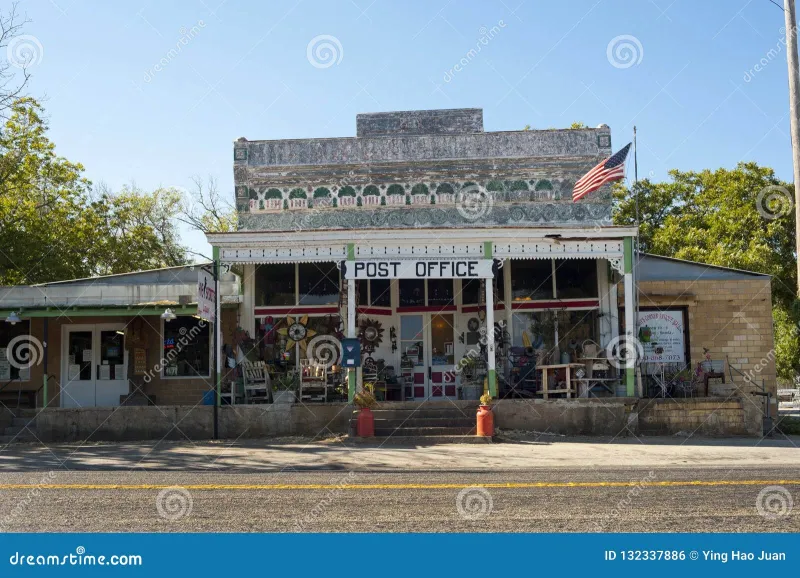
Photo: rural post office small town general store brass mail boxes, via thumbs.dreamstime.com
The sign outside says POST OFFICE, but it's hand-painted and hung crooked above the door of a general store that also sells minnow bait, propane, and lottery tickets. Inside, a woman named Doreen is sorting mail into a wall of brass boxes while carrying on three conversations at once—one with the man buying stamps, one with a dog sleeping by the wood stove, and one with whoever's on the phone asking if she can hold a package until hunting season's over.
She can. She always can. She knows every name on every box, because she's known most of those names since they were in diapers.
The Last Tether
There's a thing that happens to a town when the post office closes. The gas station goes first—people were only topping off while they checked their mail. Then the church sees empty pews on the far side. Then the school board starts 'consolidating.' It doesn't happen overnight. It happens the way frost happens: slow, then all at once, and nothing grows back the same.
I heard this from a retired rural carrier outside Eureka, Montana, who put it plainer than any policy paper could: 'You close the post office, you're not saving money. You're saving the paperwork on a funeral.'
That's the argument nobody in Washington wants to hear. The Postal Service isn't a business—it's a promise. Article I of the Constitution put mail service in there on purpose, right between declaring war and coining money. The founders understood something we keep forgetting: a country is only as big as the roads its letters travel.
How the Mail Built the West
Rural Free Delivery didn't come easy. In 1896, the first RFD routes rolled out in West Virginia, and the establishment thought it was a fool's errand—delivering to farms out here? The city folks had their letterboxes and their telegraph lines. The country had mud.
But RFD changed everything. It brought catalogs—Sears, Montgomery Ward—out to the homesteads. It brought newspapers, vaccines, seed packets, and news of the wider world. A farmer in the Nebraska sandhills could order a windmill and have it arrive by rail, then wagon, then porch. The mail carrier became the most reliable thing in rural life, more dependable than the weather and easier to trust than the bank.
That history is still alive out here. The routes haven't gotten shorter. Some have gotten longer.
The Clerk, the Pilot, and the Plane
In central Idaho, I watched a Cessna touch down on a gravel strip outside a town of forty-some people. The pilot hauled out two totes of mail and a bundle of newspapers, then loaded up outbound boxes—honey jars, a rifle scope headed for a repair shop in Boise, somebody's grandson's birthday present.
Bush pilots like him are the last mile of the last mile. When the road washes out or the snow's too deep, the mail still flies. There's no algorithm deciding whether this community deserves service. There's a guy with a plane, a schedule, and a stubborn streak.
The clerk at the airstrip's little office—shared with the gas pump and the coffee pot—told me she processes maybe sixty pieces a day. Doesn't sound like much. Then she pointed at a box and said, 'That one's her blood pressure medicine. That one's the school's art supplies. That one's a headstone. Don't ask.'
Sixty pieces of mail. Sixty lifelines.
What We Lose When We Close the Door
The math that closes rural post offices is simple and wrong. It counts stamps sold and salaries paid. It doesn't count what happens to property values when the ZIP code loses its anchor. It doesn't count the elderly folks who'd drive ninety minutes to pick up a prescription that used to arrive on the morning route. It doesn't count the small businesses—guides, quilters, beekeepers, leatherworkers—who sell online and ship through the only counter that knows them by name.
And it doesn't count the thing that's hardest to measure: the post office as the town's front porch. It's where you learn who's sick, who's back from deployment, whose kid made honor roll two states away. No app replicates that. No kiosk in a strip mall ever will.
Keep the Light On
There's a flint-and-steel kind of stubbornness in these places. The postmaster in a dying Arizona mining town told me she's turned down three transfers to bigger offices. 'If I leave,' she said, 'they'll use the vacancy as the excuse.' So she stays. She waters the flowers out front. She keeps the flag flying.
That's the wild edge right there—not on some mountaintop, but behind a counter with a rubber stamp and a roll of priority tape. Somebody has to hold the line. Somebody has to keep the boxes open and the names straight.
The wolf survives by staying with the pack. The town survives by staying with the mail. And as long as there's a clerk like Doreen sorting letters by a wood stove, some of these map dots are going to keep refusing to become ghost towns.
Write them a letter sometime. They'll know it's from somebody who cares.