Porch Light Confessions: Riding Out the Dark on the Loneliest Stretch of Asphalt in America
Photo: Yoshi Canopus, CC BY-SA 4.0, via Wikimedia Commons
There's a stretch of Nevada Highway 50 where the state sign dares you. Highway 50 Survival Guide, it says, half joking, and recommends you bring a survival kit because services are sparse. AAA famously called this the Loneliest Road in America back in 1986, and the towns along it decided to make a living off the insult instead of dying of it.
I drove it at night on purpose. Not because I had to — because I wanted to know who stays up out there.
The First Light Out of Fallon
East of Fallon, the last big town with anything resembling a skyline, the dark comes on like a tide. Sand Mountain glows faintly off to the south, a dune the size of a small mountain range, and after that it's just you and the paint line and the occasional jackrabbit doing the worst decision-making of its life.
The first porch light I pulled into was in Austin, three hours in and 6,600 feet up. The gas station's pumps still run at midnight — card readers, no attendant, just a single yellow bulb over the air compressor and the smell of sagebrush and cold diesel. A guy in a lifted Tacoma was topping off before the last push to Ely. He told me he does this run twice a month for a mining outfit.
"You get so you can tell what town you're in by how the dark sounds," he said. "Austin's got wind. Ely's got trains."
I've thought about that sentence more than I've thought about most things people say to me at gas stations.
Coffee at the Counter of Nowhere
The International Café in Austin closes early, but the night belongs to the motels. I checked into a room where the heater had exactly two settings: off and volcanic. The front desk clerk — also the owner, also the person who'd fix the heater in the morning — left a note taped to the register: Knock loud if you need anything. I sleep like a rock but the dogs don't.
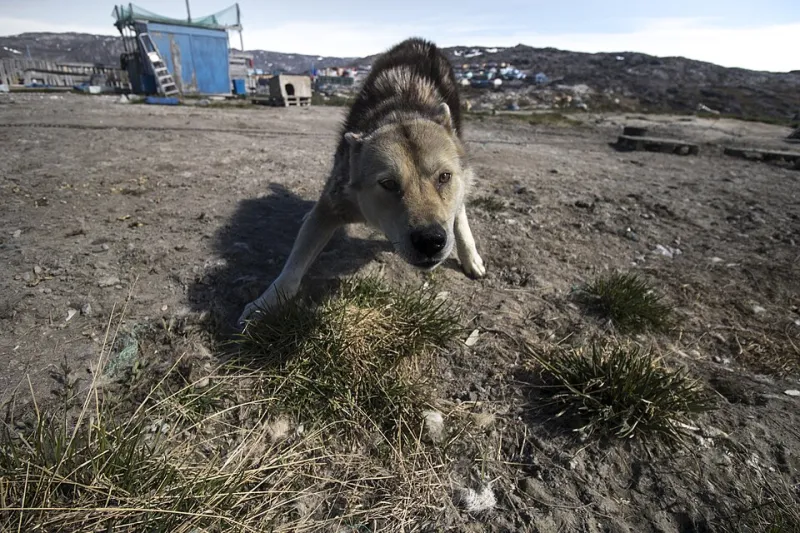
The dogs did not disappoint.
Further down the road, in Eureka, the courthouse glows white against the black like a ship's bridge. The town bills itself as "Friendliest Town on the Loneliest Road," which is the kind of thing that sounds like marketing until a stranger in a diner booth tells you where the potholes are on the pass and then buys your coffee because you look like you've been driving a while. I had been driving a while.
What the Night Shift Knows
Every town on 50 has a version of the same person: the one who's awake so everyone else can sleep. The clerk who keeps the lights on at the Shell in Ely. The dispatcher whose voice comes through the volunteer fire scanner crackling in a diner kitchen. The motel owner in Eureka who leaves the porch light burning not for ambiance but because a trucker might roll in at 2 a.m. and a lit porch is the difference between a room and a night in a cold cab.
They don't talk about it like heroism. They talk about it like weather. Somebody's gotta be up. Might as well be me.
There's a lesson in flint somewhere in that — the idea that the most useful thing a person can be is the spark that shows up before anyone else needs it. Out here nobody says it that pretty. They just pour the coffee.
Why We Keep Driving Into the Empty
Somewhere between Austin and Ely — a two-hour run with no towns, no lights, nothing but the moon doing its work — I pulled over and killed the engine. You're not supposed to do that on the Loneliest Road, probably. But I wanted to see what the fuss was about.
The silence isn't empty. It's full — of wind, of your own blood moving, of a sky so crowded with stars it looks like static. This is what the highway sells and what the towns along it quietly supply: a place where the dark is still allowed to be dark, and the only thing holding it back is a 60-watt bulb over somebody's door.
The Morning After
I rolled into Ely at 3 a.m., ate a gas station taquito that deserves its own article, and watched a freight train a mile long crawl through town with its horn going. The motel clerk — a different one, a young guy working his way through Great Basin College — told me most travelers blast through without stopping.
"They come for the sign," he said. "The photo of the Survival Guide marker. Then they're gone."
He wasn't bitter about it. But I noticed he kept talking anyway, and I noticed I kept listening, and that's the whole deal with the Loneliest Road. It's only lonely if you don't stop. Every porch light out there is somebody's answer to a question most of us forgot to ask: who's awake, and what do they know that I don't?
Drive it at night. Knock loud. The dogs will let them know you're there.