Listening for the Last Quiet: Inside the Race to Record America's Fading Silence
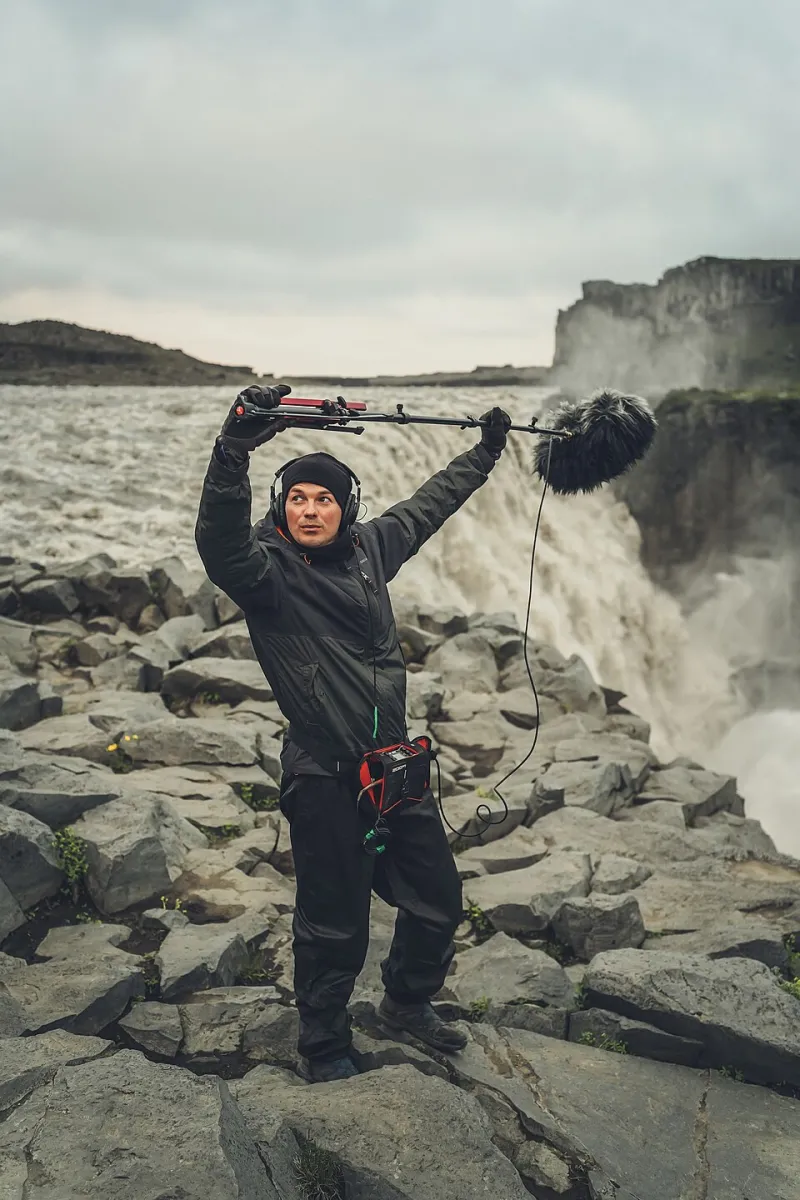
Photo: Free To Use Sounds, CC BY-SA 4.0, via Wikimedia Commons
Three Days for One Hour
The microphone sits on a granite outcrop above the John Day River like a small metal prayer. Maggie Ruiz hasn't touched it in two days. Every time she gets close to a take, something ruins it — a crop duster, a distant dirt bike, a jet at 35,000 feet leaving a white scar of sound across the sky.
"People think silence is free," she tells me over a camp stove outside Dayville, Oregon. "It's the rarest natural resource left in the Lower 48. And nobody's protecting it."
Ruiz is part of a small, scattered tribe: field recordists and acoustic ecologists chasing what researchers call the natural noise floor — a landscape so quiet you can hear your own blood move. In most of America, that's gone. National Park Service acoustic studies suggest noise pollution from aircraft alone intrudes on a huge share of protected wilderness, sometimes for hours a day.
But not everywhere. Not yet.
The Man Mapping Quiet
Six hundred miles away, in Boise, conservationist Dale Whitmore keeps a different kind of map. Where other cartographers chart roads and towns, Whitmore charts silence — overlaying flight paths, highway corridors, and mining leases to find the pockets of the West that still drop below 20 decibels at night.
"Twenty decibels is a whisper. It's leaves," he says. "We've found maybe a couple dozen places in the continental U.S. where you can get there and stay there without hearing a motor."
His maps feed a quiet fight: proposals to establish "quiet zones" on public lands, where land managers would time overflights, restrict ORV routes, and — the controversial part — treat silence as a resource worth managing, like water or old-growth timber.
Critics call it elitist. Whitmore shrugs. "Nobody's saying you can't ride your ATV. We're saying some places should stay for the ear, not just the eye."
What You Actually Hear Out There
Spend a night in one of these valleys and your ears recalibrate. The first hour is nothing. Then the landscape opens up: a creek a half-mile away, an owl's wingbeat, the tick of cooling rock. Ruiz calls it "the moment the desert notices you."
She's not sentimental about it. She sells her recordings — to documentary filmmakers, to sleep-therapy apps, to museums. The market for authentic quiet is real and growing, which cuts both ways. Every sale funds the next expedition; every sale proves silence has become a commodity.
"I'd rather it be sold than erased," she says.
Where to Find It Yourself
You don't need a parabolic dish to chase quiet. You need remoteness, low air traffic, and timing. A few of the best bets on public land:
- Steens Mountain Wilderness, Oregon — High desert basins with almost no overflight coverage, especially on the east side.
- Great Basin National Park, Nevada — One of the darkest and quietest corners of the Park Service system; camp past the Wheeler Peak turnoff.
- Selway-Bitterroot Wilderness, Idaho — The largest roadless chunk in the Lower 48. Hike two days in and the modern world drops away.
- Hells Canyon, Oregon/Idaho — The deep gorge sections, away from the boat launches, hold river sound and little else.
- Gila Wilderness, New Mexico — The nation's first designated wilderness still earns the word, particularly the middle fork drainages in November.
Go in the shoulder season. Go on a weekday. And leave the speaker at home — the whole point is what's already there.
The Sound Before It's Gone
There's a flint-and-steel logic to all this. A spark is nothing until you save it, and quiet is the same: it only survives if somebody bothers to carry it. Ruiz's hard drives, Whitmore's maps, the handful of recordists scattered across the Great Basin and the Rockies — they're doing for sound what seed banks did for plants.
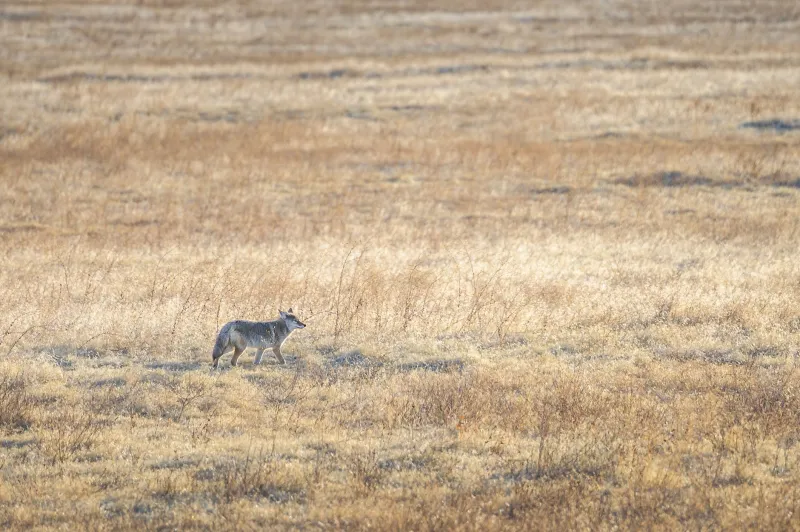
Whether the culture cares is another question. But sit in the John Day country at 3 a.m., with nothing on the wind but coyote song and the river's murmur, and the case makes itself.
"People drive out here and roll down the window and just... stop talking," Ruiz says. "The silence does the selling. I'm just the archivist."