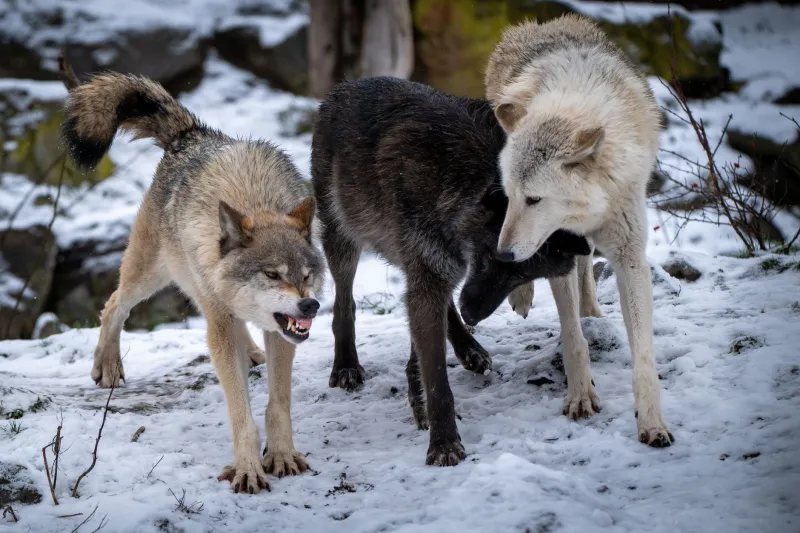
Hang the Wolf on the Wall: Why America Can't Quit Its Most Controversial Animal
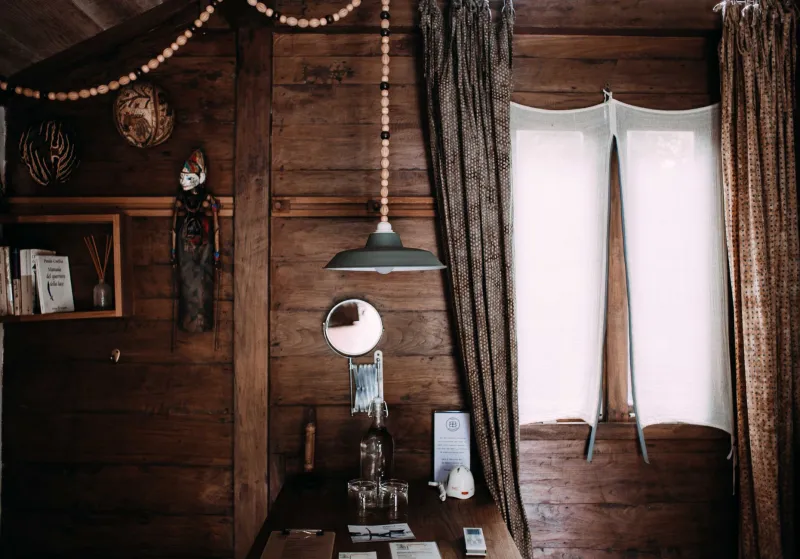
Walk into any rural watering hole between Bozeman and Billings and you'll see it: a wolf mid-howl, rendered in airbrush on black velvet, staring down from behind the bar like it pays rent. Drive four hours to a gallery opening in Santa Fe and you'll see the same animal again — this time a bronze the size of a dishwasher, priced like a house down payment.
Same wolf. Wildly different America.
One Animal, Two Countries
The wolf might be the most polarizing image Americans hang on their walls, and most people don't even notice the fight. On one side: the nursery print crowd, the log-cabin aesthetic, the five-panel canvas set sold at big-box retailers next to the birch forests and the barnwood American flags. On the other: working artists, wildlife photographers, and Indigenous painters whose wolf imagery carries centuries of weight that a Hobby Lobby frame can't hold.
And then there's the third camp, the one nobody puts on a postcard — the ranchers and hunters in wolf country who see the same animal on a neighbor's T-shirt and feel their jaw tighten. For them, the wolf on the wall isn't art. It's politics.
From Outlaw Ink to Auction Block
The wolf's visual history in America runs through some strange neighborhoods. Biker shops in the 1970s and '80s adopted the animal as a totem of loner freedom — iron-willed, answerable to nobody. Dreamcatcher gift shops claimed it too. So did heavy metal album covers and truck stop air fresheners.
Then something shifted. Around the early 2010s, wildlife photography went viral, and a new generation started buying the wolf as a symbol of something else: wilderness worth protecting. The image that once meant danger now meant defend. Fine art auctions in Santa Fe and Jackson Hole began fetching five figures for wolf bronzes and oversized photographic prints. The outlaw became the mascot of conservation.
That whiplash is the whole story. Americans didn't change the wolf. We changed what we needed it to say.
What the Howl Is Selling
Strip away the paint and every wolf image is selling one of two things: fear or freedom. Sometimes both at once.
The nursery version — soft watercolor, moonlit, gentle eyes — is freedom sanitized for a child's room. The biker version is freedom with teeth. The rancher's opposition isn't really about art at all; it's about a symbolic animal being celebrated by people who've never lost a calf to the real thing.
That tension is exactly why the image endures. An animal everyone agrees on would be boring. The wolf on the wall is a Rorschach test: show me your wolf and I'll tell you what you think the wild is for.
The Image Outlives the Argument
Here's the thing about wolves and walls — the debate never settles, and neither does the art. Legislation shifts, populations expand, lawsuits fly, and the prints keep selling. The wolf has become one of the few American symbols that can mean defiance, protection, danger, and beauty without ever contradicting itself.
Maybe that's the point. We don't put wolves on our walls because we've figured out our relationship with the wild. We put them there because we haven't. The image is the argument, hung at eye level, howling at us every morning while we make coffee.
And judging by the auctions, the truck stops, and the tattoo parlors, we're nowhere near done listening.