Ship Containers, Wood Stoves, and Secondhand Steel: Inside America's Backwoods Studio Boom
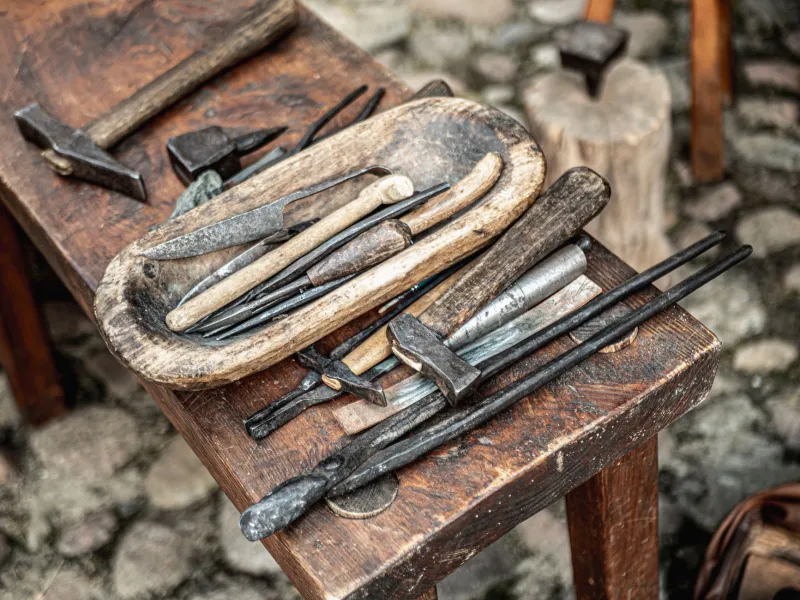
The forge sits at the end of a two-track road outside Potosi, Missouri, in a structure that started life hauling soybeans across the Midwest. Dave Kellerman bought the shipping container for $1,800, cut a door in the side, lined it with brick, and vented a chimney through the roof. On a February morning with frost on the gravel, it's 90 degrees inside and the anvil is ringing.
"People ask why I didn't just rent a shop in town," he says, pulling a billet from the coal. "Town's got a landlord. Town's got hours. This," he taps the corrugated wall, "this is mine."
Kellerman is one of a growing number of American makers building creative studios at the ragged edge of the map — off-grid workshops cobbled from salvage, sawmill seconds, and stubbornness. Scroll through any bushcraft forum or regional Facebook group and you'll find them: the leatherworker in a converted hay barn outside Bozeman, the flintknapper working out of a school bus in the Ozarks, the knife maker in Idaho whose entire shop runs on solar panels and a 1970s Winco generator.
The Economics of Building Out Where It's Cheap
The math is simple and brutal. Commercial shop space in a mid-sized city runs $12–$20 a square foot a year, before utilities. A used 40-foot container runs $2,000–$4,000 delivered. A pole barn built from milled-on-site lumber — if you've got timber and a neighbor with a portable sawmill — might cost you a tank of diesel and a month of weekends.
That's why the movement skews rural and resourceful. In towns like Eureka Springs, Arkansas, and Joseph, Oregon, clusters of makers have turned cheap outbuildings into functioning studios, some selling work online, some supplying local outfitters and gift shops. The wilderness isn't just a backdrop. It's the business model.
Heat, Power, and the Real Problem: Staying Warm Enough to Work
Ask anyone who's done this and they'll tell you the romance dies at about 15 degrees. Heating is the first and hardest problem.
Wood is king. Most shops we visited burn wood, and the consensus stove is a small cast-iron box — a Jotul, a Fisher, or a salvaged Vogelzang — fed with whatever's local. Kellerman goes through about four cords a winter. "You either cut wood or you don't work in January. It's that simple."
Propane is the backup. Catalytic heaters and radiant propane units handle the gap on cold mornings, though everyone warns about ventilation. A forge or torch plus an unvented heater is how you end up in the local paper.
Insulation is the cheat code. Spray foam in a steel container turns a sweatbox in July and an icebox in January into something workable. The makers who skipped insulation all said the same thing: they're planning to fix it this year. They said that last year too.
Power is the easier problem now. A modest solar setup — 800 to 1,500 watts of panels, a couple of lithium batteries, an inverter — will run LED lighting, a shop radio, and cordless tool charging for under $3,000. Heavy loads like welders and grinders still want a generator or grid power, which is why most shops are hybrid: solar for the everyday, a backup generator for the big jobs.
The Tools Tell the Story
There's a thread running through every one of these workshops: the tools are old, and the owners like it that way. A 1940s South Bend lathe bought at an estate auction. Bench grinders from a deceased uncle's garage. Leather tools inherited, re-handled, resharpened.
Maggie Two Rivers, a leatherworker outside Sandpoint, Idaho, works under a single solar-powered LED strip in a shed built from mill cull lumber — the boards the sawmill can't sell. "Everything in here has a story," she says, holding a froged awl handle her grandfather turned. "When you make something in a room like this, that story goes into the piece. I genuinely believe people can feel it."
That's the claim, anyway, and it's easy to be cynical about it. But spend a day in one of these shops and the cynicism gets harder to hold. There are no notifications out here. The work happens at the speed of the coal and the drawknife. The nearest distraction is a raven, and the ravens don't have opinions about your stitch spacing.
What the Wild Actually Does to the Work
The honest answer from the makers: it slows them down, and slower work is usually better work. Kellerman says his damascus patterns improved after he moved out of his rented city shop — not because of some mystical energy, but because he had time to fail. "In town, if a billet didn't work out, that's money out the window. Out here, if it doesn't work, I throw it in the scrap bucket and try again tomorrow. There's always tomorrow."
There's also the material advantage. Mill seconds, local clay, stone from the creek, hides from hunters who'd otherwise toss them. The backwoods studio is plugged into a supply chain that doesn't have a warehouse — just seasons and neighbors.
None of this is easy, and none of the makers we spoke to pretend otherwise. Frozen glue. Mice in the stock rack. The winter the solar bank died and the whole shop went dark for a week. But ask if they'd trade it for a climate-controlled unit off the interstate and you get the same look every time. It's the look of somebody standing in a building made of salvage, in a room that smells like coal smoke and cedar, holding something they made with their own two hands.
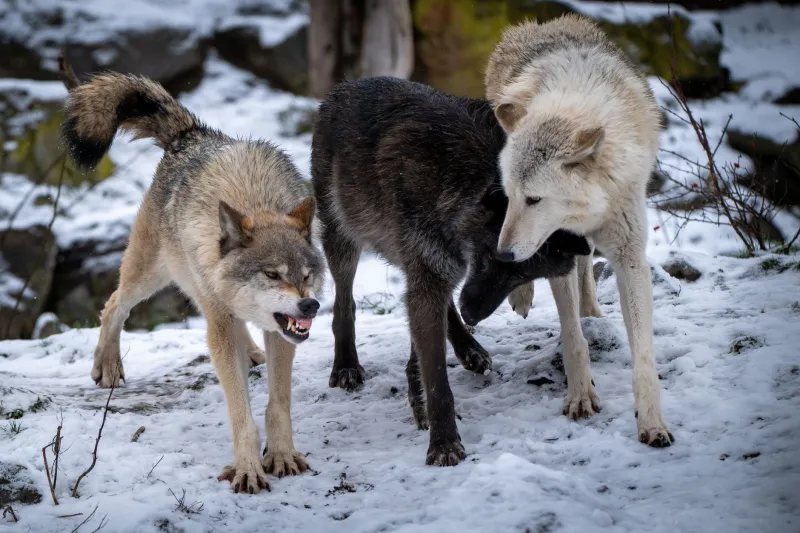
The wolf doesn't need a showroom. Neither do they.