Brass Rails and Bad Whiskey: The Frontier Bars Refusing to Call Last Call
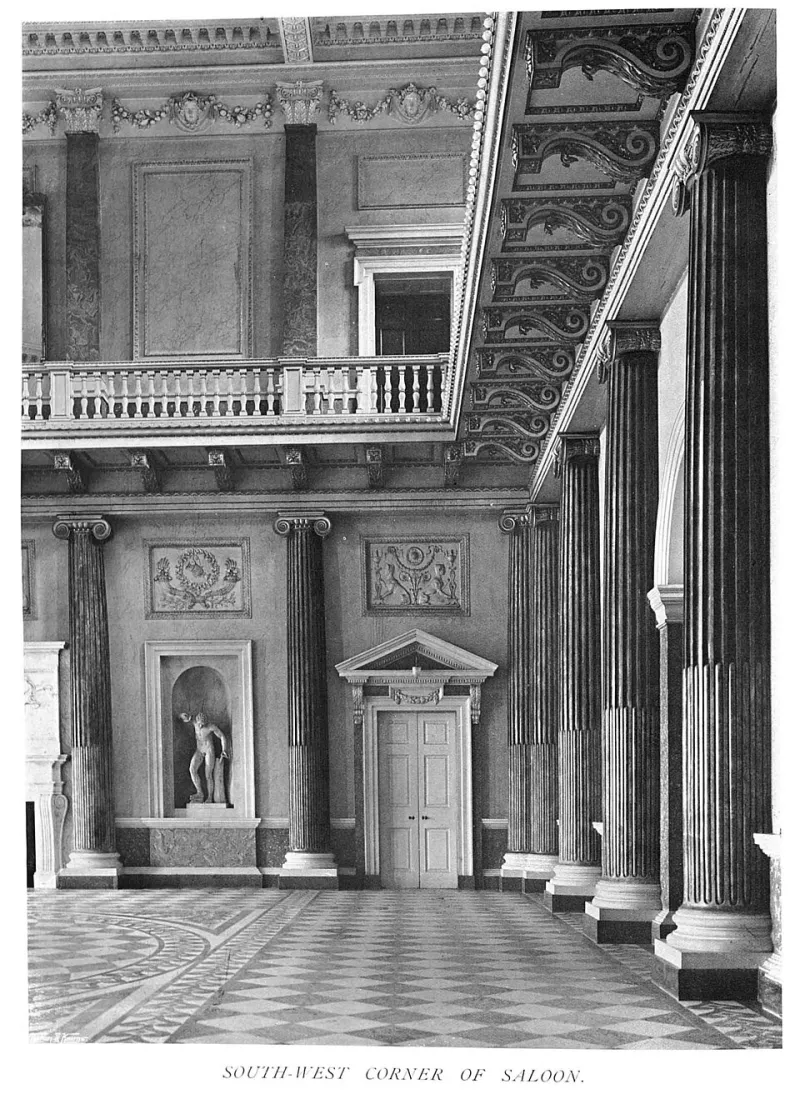
Photo: Charles Latham (1847-1912), Public domain, via Wikimedia Commons
There's a smell you get only in a bar that's been open longer than the telephone line: pipe tobacco soaked a century deep into the woodwork, coal dust, spilled beer nobody mopped because why bother. It hits you at the door like a handshake.
I spent three weeks chasing it — from a roadhouse at the end of a gravel airstrip in Alaska to a saloon in the Nevada outback where the nearest traffic light is two counties away. What I found wasn't nostalgia. Nostalgia is for people who've already lost the thing. These places haven't lost it yet. They're just stubborn.
The Saloon Is the Town
In a lot of these spots, the saloon came first. Before the church, before the school, before the post office — a tent, a barrel, a bottle. When the mines played out or the railroad bent east instead of west, everything else folded. The bar stayed.
"I've got the only business license in town," the owner of a saloon in central Nevada told me, laughing over a register that hasn't been updated since the Johnson administration. "Town's a stretch. It's me, the dogs, and whoever's snowed in."
That's not an exaggeration. Census signs on the highway say one number; the bar's winter population says another. When the road closes, the saloon becomes the grocery store, the message board, the therapist's office, and the courthouse. Disputes get settled at the rail. Weddings happen on the same floorboards where miners once lost their pay.
Who's Actually Sitting There
Forget the Hollywood image of the lone gunslinger nursing a whiskey. The modern frontier bar crowd is ranchers in Carhartts settling up after branding season, guides decompressing after dropping clients at the trailhead, and the occasional long-hauler who took a wrong turn and stayed three days.
There's also the drifter — and every one of these bars has a version of him. The bartender in an old Alaska roadhouse told me about a guy who came in for one beer in 2011 and never left. "He fixed the generator, then the roof, then the plumbing. We just stopped asking when he's leaving."
The drinks are the same everywhere: cheap beer, whiskey that hasn't been top-shelf since the mine closed, and coffee if you look like you need it. Nobody's crafting anything. That's the point.
Why They Survive When Everything Else Doesn't
The economics make no sense on paper. Inventory arrives once a month, sometimes by bush plane. The customer base is measured in dozens, not hundreds. Insurance companies wince at buildings with no fire hydrant for fifty miles.
But these bars run on a currency the spreadsheet doesn't track: they're load-bearing walls for their communities. When the school board needs a meeting room, it's the bar. When a rancher dies, the wake is at the bar. When the Forest Service wants to know who's actually living up the drainage, they call the bar.
A few have found side doors to survival. Some rent out a couple of rooms above the taproom. Some became the unofficial outfitter, selling fuel and freeze-dried meals to hunters passing through. One in Montana runs a small post office out of the back corner — the flag outside gets raised by the same hand that pours the beer.
The Brass, the Grime, and the Truth
What struck me most, walking through these places, is that they're not museums. Nobody's roped off the brass rail or put a plaque on the bullet hole. The bullet hole is just a hole. The bar top — worn to the grain by a hundred years of forearms — is still where you set your elbow and complain about the price of hay.
That's the difference between a frontier bar and a frontier-themed bar. One is preserved. The other is alive. Alive means leaking roofs, winter pipes, and an owner who does the books at 2 a.m. with a dog asleep on the pool table.
"People ask when I'm going to retire," one bartender said, wiping down a rail that's been wiped down ten million times. "Retire to what? Everything around here that would have me is closed."
Last Call Isn't Coming
There's no tidy ending here. Some of these saloons will go under — a fire, a bad winter, an owner with no one to hand the keys to. Others will outlast every one of us, the way they outlasted the mines and the railroad and the highway that forgot to come through town.
If you find yourself at one, do it right. Order what the regulars order. Read the ceiling of dollar bills. Ask before you take a photo. And if somebody at the end of the rail starts telling a story about the winter of '83, sit down. You're not going anywhere for a while anyway.
The flint of this country still sparks in strange places — behind brass rails, under decades of smoke, in towns so small the map gives up. The bar's just where the fire's kept going.