Somebody Has to Hold the Door: On Outhouses, Payphones, and the Slow Closing of the American Backcountry
There's a payphone at the Wind River trailhead in Wyoming that still works. Barely. The cord's been chewed, the coin slot is jammed with thirty years of grit, but if you feed it the right quarters, it'll ring a dispatcher in Lander who will send help if you need it. The Forest Service hasn't serviced it in a decade. Nobody has. It just keeps hanging there on its splintered post, doing its one job, out of pure stubbornness.
I think about that phone a lot. Because across this country, its siblings are disappearing — and they're not taking much else with them. They're taking the door.
The Unsexy Stuff Is the Stuff That Matters
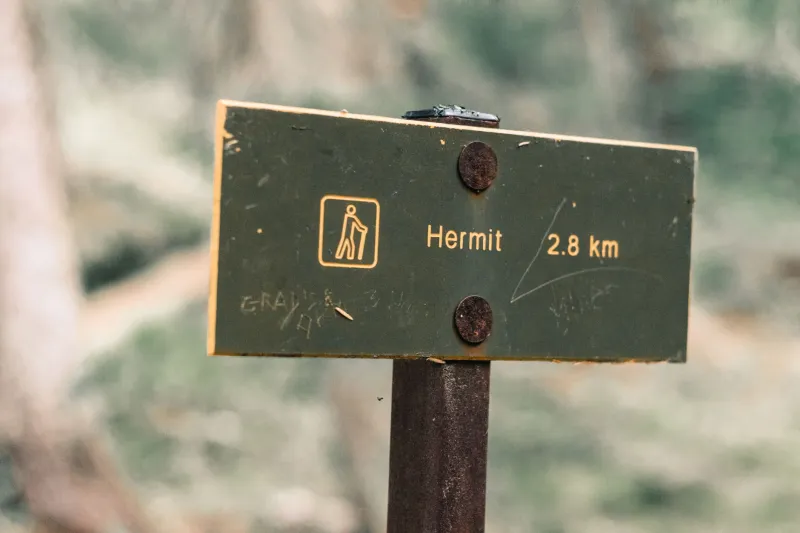
Nobody writes ballads about vault toilets. No one gets a trail named after them for maintaining the culvert that keeps the access road from washing out every spring. But here's the truth that anyone who's spent real time in the backcountry knows: the difference between a wilderness that people can actually enter and one they can't isn't the summit or the vista. It's the outhouse. It's the graded spur road. It's the sign that tells a first-timer which fork doesn't dead-end in a scree field.
These are the hinges and handles of the American wild. And right now, we're letting them rust off the frame.
The Forest Service's deferred maintenance backlog sits north of $8 billion — that's billion, with a B — spread across 193 million acres. Trail crews that used to run all summer now run three weeks. Ranger stations that once staffed a live human answering questions from nervous parents and lost hunters now sit locked, their windows papered over with QR codes. In parts of Idaho and Montana, entire trailheads have been decommissioned not because the wilderness vanished, but because the agency can't afford to maintain the parking barrier, let alone the trail behind it.
Who Gets to Walk In
Here's where I lose patience with the usual framing. When these things fail, the outdoors crowd shrugs. Self-reliance, we say. That's the point of wilderness. Bring your map. Pack your shelter. Squat in a hole.
Sure — for you. For the guy reading this who's been backpacking since he could walk. But the vault toilet at the trailhead isn't for you. It's for the family from the Denver suburbs making their first trip past cell coverage. The payphone isn't for the guy with a Garmin inReach. It's for the kid whose phone died at mile nine. The graded road isn't for your lifted Tacoma. It's for the church van and the scout troop and the old-timer whose knees gave out but whose love of elk country didn't.
Strip that stuff away and you don't get a purer wilderness. You get a wilderness with a shorter, whiter, wealthier, more experienced guest list — and a lot of Americans who learn that public land is technically theirs but practically not.
The Math Nobody Wants to Do
The honest problem is money and the dishonest problem is priorities. Recreation on federal lands generates hundreds of billions in economic activity annually — motels in Cody, guides in Gatlinburg, fly shops in Missoula. But the fee the average visitor pays to support the ground they walk on rounds to approximately nothing. Congress treats the maintenance budget like a rounding error, agencies triage by triage, and the first things to go are always the things without advocacy groups: toilets, phones, culverts, signs.
The wolf has advocates. The outhouse has none.
And so the retreat happens quietly. A washed-out bridge that gets a Trail Not Maintained sign instead of a repair crew. A trailhead kiosk whose map fades to blank paper in the sun. Each one a small, reasonable-seeming concession. Add them up and you've drawn a soft border around the backcountry — not with a fence, but with friction.
Keep the Door Open
I'm not asking for a ranger station at every trailhead or fiber optic in the Sawtooths. I'm asking for the opposite of surrender. A vault toilet pumped twice a season. A kiosk with a current map. A phone — any phone — that dials 911 when things go sideways twenty miles from pavement. This is the flint of public lands: small, hard, unglamorous, and capable of making fire in the hands of somebody who's never struck one before.
So here's the polemic, plainly stated: if you want the next generation to walk into wild places — and you should, because a wilderness nobody visits is a wilderness nobody defends — then somebody has to keep the door open. That means funding. That means volunteering your Saturday with a trail crew instead of just posting your summit photo. That means showing up to the county meeting when the district proposes closing the access road, because the people who show up decide.
The payphone at the Wind River trailhead will die eventually. Someone will cut it down for scrap or let the post rot through. And when it goes, nothing will happen. No headline, no protest. Just one less handle on the door, for whoever comes next, reaching for it in the dark.
Grab hold before it's gone.